
This page is the practical proof checklist. If your team is preparing packaging for 2D barcodes, you need more than a QR image. You need a valid GTIN, a GS1 Digital Link URL, print-ready artwork, a live scan page and enough product data to make the scan useful after the pack is printed.
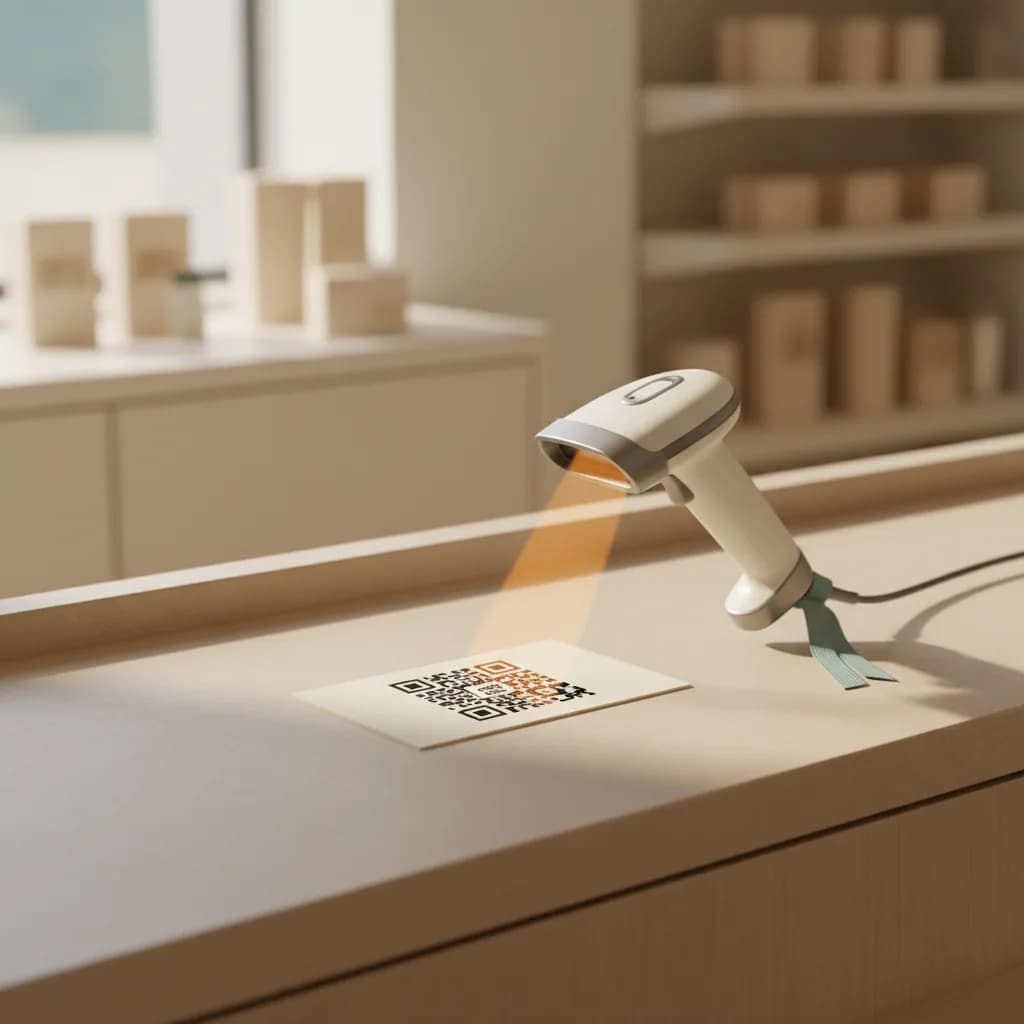
Sunrise 2027 is often explained as a deadline. That is not quite right. It is an industry milestone: the goal that retail point-of-sale systems should be capable of reading 2D barcodes carrying GS1 Digital Link URLs around the end of 2027. It is not a government regulation and it does not mean every 1D barcode disappears overnight. But it is still a major packaging shift because retailers, scanner vendors, GS1 member organizations and brand owners are coordinating around the same point in time.
For a brand, the real question is not "what is Sunrise 2027?" The standards page answers that. The real question is "what must be true before we print this 2D code on a live product?" That is what this page covers: operational compliance, readiness proof and the data checks that sit behind the printed mark.
The product has a GS1-allocated GTIN with the correct check digit.
The GTIN is formatted into a GS1 Digital Link URL, usually /01/{gtin}.
The exported QR code encodes the actual URL, not a fake preview block.
A consumer phone opens a useful product page, not a placeholder.
SVG, PNG or PDF exports respect quiet zones, contrast and minimum size.
Ingredients, allergens, nutrition, recycling, claims and origin fields are filled where relevant.
Lot, batch, expiry or serial qualifiers are defined for products that need lot-aware data.
The team can show which SKUs are ready before packaging goes to print.
Every Sunrise 2027 workflow starts with product identity. The product needs a real GS1 GTIN. The GTIN needs a valid mod-10 check digit. The platform can validate the number, but the brand still needs to own or be authorized to use it. A product page without a real GTIN might look like a QR landing page, but it is not a retail-ready GS1 Digital Link implementation.
The Digital Link URL then wraps that GTIN into a web path. The common form is /01/{gtin}. Optional qualifiers such as batch number, lot number, expiry date and serial number can be added when a product needs lot-aware lookup. Those qualifiers should be planned before print, even if not every SKU needs them on day one.
Most brands should keep the existing EAN-13 or UPC and add the new 2D code beside it through the transition window. That is dual-marking. It protects existing retail checkout while giving the brand a live Digital Link path. The 2D code should be exported in formats your prepress workflow accepts, usually SVG or PDF for final artwork and PNG for digital review. The code needs adequate quiet zone, contrast, size and placement away from folds, seams and reflective surfaces.
A practical readiness process includes a print test. Print the code at actual size. Scan it with common phones. Scan it with any retail-grade scanner available to your team or printer. Confirm that the URL opens, that the product page renders on mobile and that the code remains readable after varnish, shrink, label curvature or flexible film distortion.
A 2D barcode on packaging creates consumer expectation. If the page is empty, slow or generic, the brand loses trust. At minimum, the scan page should show product name, pack size, image, ingredients or product information, allergen or safety notes where relevant, recycling guidance and a clear brand-controlled context. Better pages also show certifications, traceability story, country or market version, where-to-buy links and batch lookup where the product category needs it.
This is where 2D Barcode Hub separates readiness from a simple generator. The platform generates the QR, but it also gives the brand a product passport editor, QR settings, resolver links, batch and origin records, scan actions and analytics. Readiness is not the image. Readiness is the whole system around the image.
Packaging teams need a simple answer before artwork is approved: which SKUs are ready? A readiness view should show the current workspace state, live pages, products needing proof and missing fields. It should make the next action obvious. A product with no image, no recycling guidance, no GTIN or no scan page should not quietly move into production as if everything were complete.
The strongest brands will use Sunrise 2027 as a trigger to clean their product data. That does not mean enterprise complexity. It means a practical workflow: pick hero SKUs, validate GTINs, create real product pages, export QR files, test print, gather retailer feedback, then roll the process across the range.