
2D barcodes are square or rectangular symbols that can carry much more information than a traditional EAN-13 or UPC. For modern retail packaging, the important question is not just "can I print a QR code?" but "does this code carry product identity in a way retailers, phones and product pages can all use?"
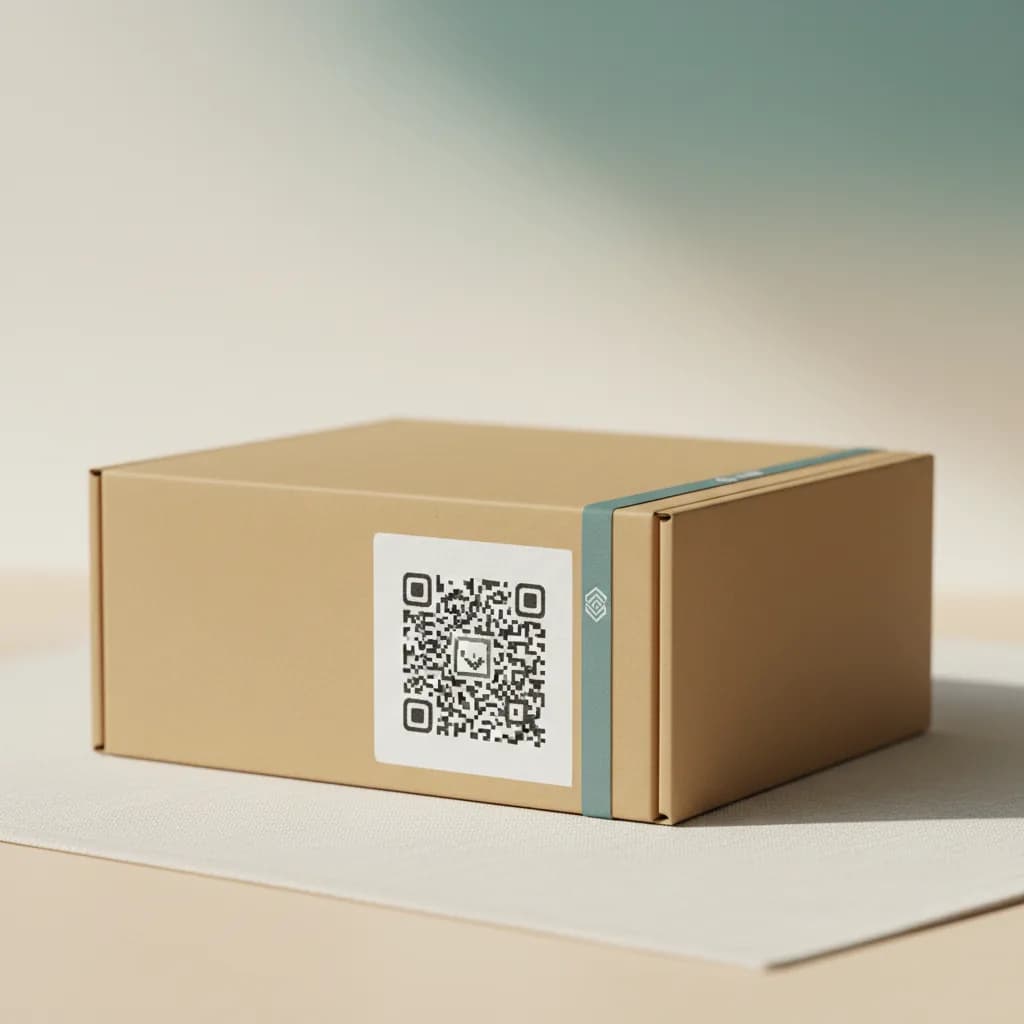
A 2D barcode stores data in two directions: horizontally and vertically. That is why a small square can carry far more information than a one-dimensional barcode made of vertical lines. The most familiar 2D barcode is the QR code, but the category also includes Data Matrix, Aztec and PDF417. Retail packaging conversations usually focus on QR Code and GS1 DataMatrix because those are the formats most relevant to consumer goods, healthcare, logistics and point-of-sale scanning.
A traditional EAN-13 or UPC barcode usually carries one thing: the GTIN that identifies a trade item. A 2D barcode can carry a GTIN plus other structured data, or it can carry a web URL. GS1 Digital Link combines both ideas by putting the GTIN inside a URL. That means a retail scanner can extract product identity, while a consumer phone opens a product page. The symbol is small, but the workflow behind it is bigger.
The most consumer-friendly 2D barcode. Phones read QR codes natively, which makes them the natural choice for food, beverage, beauty, pet and household packaging.
A compact 2D barcode widely used in healthcare, regulated goods and small-package environments. It is excellent for dense data in limited print space.
Used in tickets, IDs, logistics labels and some transport workflows. Useful, but not the usual consumer-packaging path for Sunrise 2027.
A QR code that carries GS1 identifiers using GS1 Digital Link syntax. This is the key format for CPG brands preparing for retail 2D barcode scanning.
A traditional EAN-13 or UPC barcode is fast, reliable and deeply embedded in retail. It is excellent at one task: identifying a product at checkout. It does not carry a web destination, batch story, recycling instructions, certificate links, recall notice or Digital Product Passport. If a brand wants those experiences, it historically printed a second QR code next to the 1D barcode. That created packaging clutter and two codes with two different meanings.
A standards-based 2D barcode can collapse that split. A QR Code powered by GS1 can identify the product at point-of-sale and open a web page on a phone. The GTIN remains the anchor. The URL gives the brand a live channel. This is why 2D barcodes matter for Sunrise 2027: they are not simply prettier QR codes. They are a bridge between retail identity and connected product information.
A QR code can point anywhere. It can open a home page, a coupon page, a video or a broken URL. That flexibility is useful for marketing but not enough for retail packaging. GS1 Digital Link gives the QR code a standard structure. The URL path contains the GS1 Application Identifier for GTIN, usually /01/, followed by the product's GTIN. Optional path segments can add batch number, serial number or other identifiers. The result is both web-friendly and machine-readable.
2D Barcode Hub generates GS1 Digital Link-ready URLs and real QR codes from product records. A brand can validate the GTIN, publish the product page, export a print-ready symbol and keep the scan destination live after packaging is printed. That is the difference between a generic 2D barcode and a standards-aligned product identity workflow.
For food and beverage brands, a 2D barcode can open ingredients, allergens, nutrition, batch origin, recall information and recycling instructions. For beauty and personal care, it can show usage instructions, certifications, ingredients and sustainability notes. For pet products, it can show feeding guidance, batch information and support links. For packaging printers and manufacturers, it creates a workflow for producing artwork that is ready for the retailer shift without needing to own the brand's whole data stack.
The important part is readiness. 2D barcodes will only help if the code resolves, the page is useful, the GTIN is correct, the symbol is printable and the brand has a way to update data after print. A 2D barcode is the visible part. The product data system behind it is what makes it trustworthy.
Use the free generator or start a workspace with five active product pages included.