
QR Code powered by GS1 is the phrase used for QR codes that carry GS1 identifiers in a standards-based way, usually through a GS1 Digital Link URL. To shoppers it scans like a normal QR code. To retail systems it carries product identity.
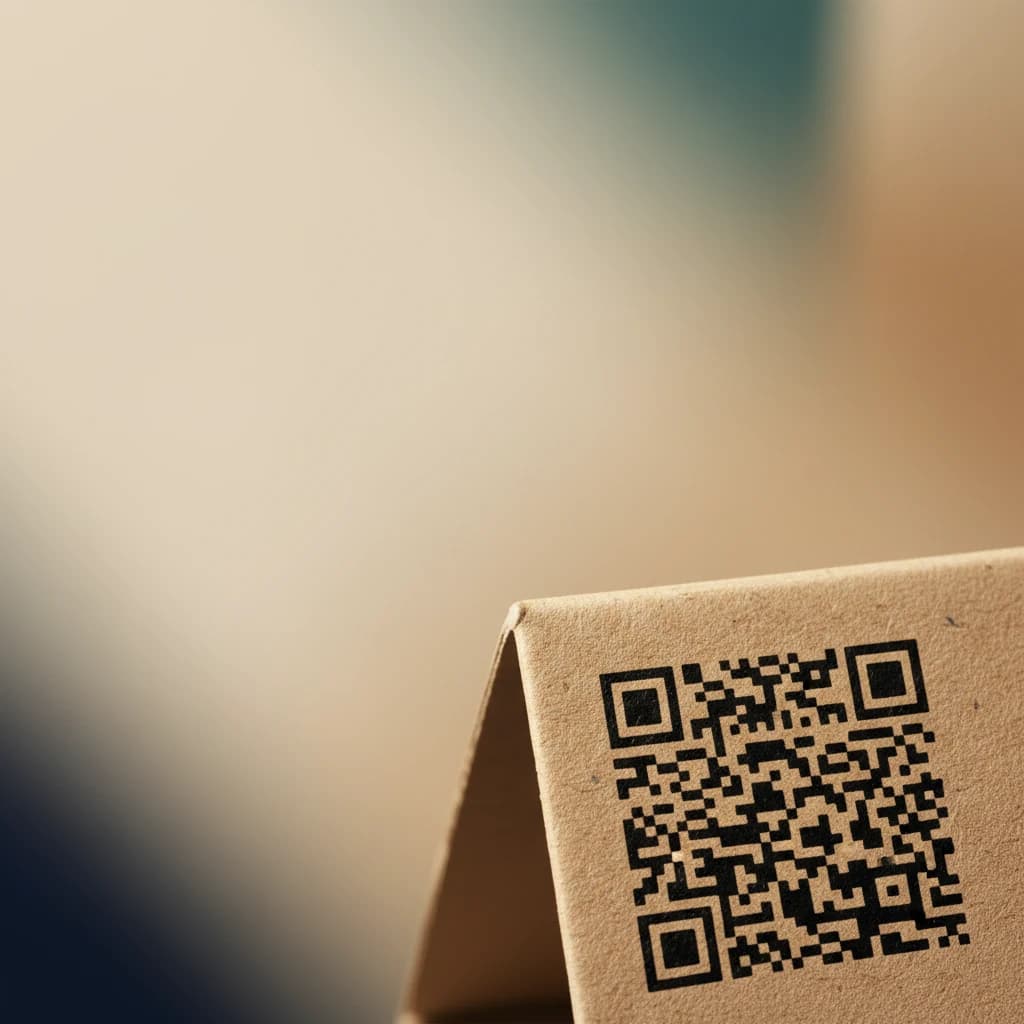
A QR code is only a carrier. It is the square symbol made of black and white modules. The important part is the data encoded inside it. A normal QR code might carry a random URL, a menu link, a coupon page or a tracking link. A QR Code powered by GS1 carries GS1 identifiers in a structured way, most commonly by encoding a GS1 Digital Link URL. That URL contains the product GTIN and can also include batch, lot, serial or other GS1 Application Identifier data.
This distinction matters because packaging is not just a marketing surface. It is part of a retail system. The code on a pack must identify the product, work with retail scanning, open on a phone, survive artwork and print constraints, and remain trustworthy after the pack is sold. GS1 standards are the bridge between those requirements.
Can point to any URL. Useful for posters, menus and simple campaigns, but not automatically useful for retail point-of-sale or product identity.
Uses a standard URL path, such as /01/{gtin}, so the GTIN is embedded in a machine-readable way.
A phone opens the URL. A compatible retail scanner can extract the GS1 identifiers it needs from the same code.
The code resolves to a product page, passport, batch lookup, certificate, recycling guidance or safety notice controlled by the brand.
The GTIN is the foundation. In a GS1 Digital Link URL, the GTIN is normally placed after the Application Identifier 01. A simplified example looks like this: https://example.com/01/09312345678907. The QR code encodes that URL. When a consumer scans it, the phone opens the web page. When a GS1-aware system reads it, the 01 segment tells the system that the next value is the GTIN.
The same pattern can include qualifiers. A batch number can be placed after /10/. A serial number can be placed after /21/. This gives brands a path to lot-specific product pages, recall notices, origin stories and certificates without printing a different consumer URL outside the GS1 structure.
Sunrise 2027 is the retail industry's 2D barcode readiness milestone. The goal is for point-of-sale systems to read 2D barcodes by the end of 2027 as scanning infrastructure is upgraded. The expected packaging format for many CPG products is a QR Code powered by GS1 because it keeps the consumer-friendly QR experience while carrying retail identity in a standardised way.
For brands, this means the code should not be treated as a decorative marketing QR. It should be generated from real product data, validated against a real GTIN, exported in print-ready formats and connected to a product page that the brand can maintain. A QR Code powered by GS1 is only as good as the product record behind it.
Shoppers do not need to know the standard. They scan the code with a phone camera and land on a mobile product page. That page can show product information, ingredients, allergens, nutrition, certifications, recycling instructions, traceability, sustainability claims, where-to-buy links, safety notices or optional engagement actions. The best scan experiences are useful first and promotional second.
This is why the phrase matters for brand trust. "Powered by GS1" signals that the QR is not just a campaign link. It is connected to the same product identity system that retail already depends on. The consumer gets a clean mobile experience, while the brand gets a standards-aligned code it can defend internally, with printers, retailers and partners.
The platform asks the brand to create a product record and enter a GTIN. It validates the GTIN, builds the GS1 Digital Link URL, generates a real QR code and lets the brand download PNG, SVG and PDF exports. The same record powers the public product page, scan analytics, resolver links, batch and origin data and readiness checks. The result is not just a QR image; it is a managed QR Code powered by GS1 workflow.
Start with the free generator, or create a workspace when you are ready to manage live product pages.